
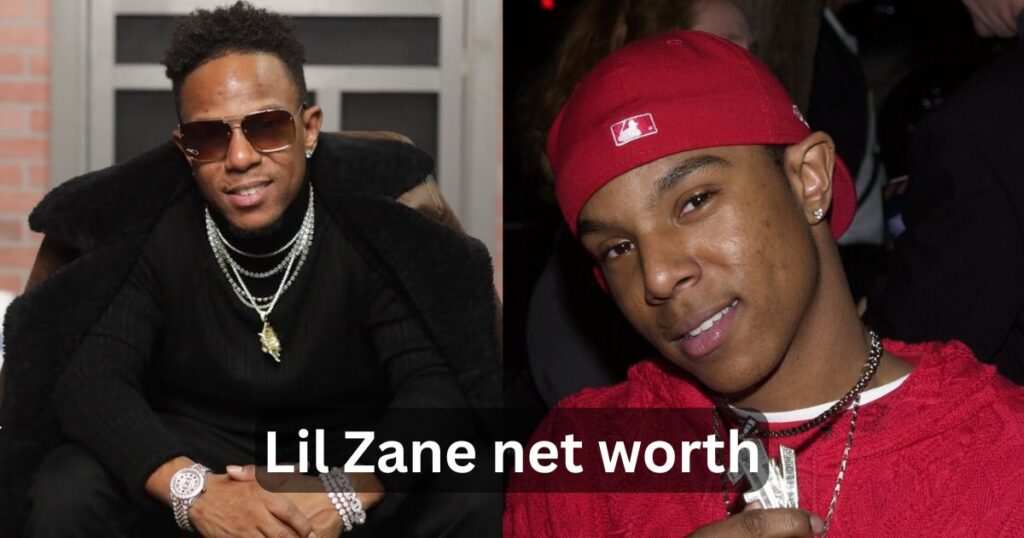
What does it really take to turn a teenage rap dream into a multi-million-dollar legacy? Lil Zane answered that question long before most artists even figured out the business side of music. He hit the scene hard in 2000, dropped a debut album that rattled radio stations across America and then quietly built something most people never noticed — a diversified financial life that still pays dividends today.
Lil Zane net worth sits at an estimated $2.5 million as of 2026. That number tells only part of the story. Behind it lies a career full of sharp pivots, smart investments, acting gigs, brand deals, and a music catalog that keeps generating passive income whether he’s in the studio or not. This article breaks all of it down — every income stream, every career milestone, every financial lesson hiding inside his journey. Whether you’re a longtime fan or just discovering his story, you’re about to see Lil Zane’s financial success in a whole new light.
Who Is Lil Zane? A Quick Overview
Born Zane R. Copeland Jr. on July 11, 1982, in Yonkers, New York, Lil Zane didn’t ease his way into hip-hop — he burst through the door. Growing up surrounded by the raw energy of New York street culture while simultaneously absorbing the melodic, storytelling-heavy sound coming out of Atlanta, he developed a style that felt genuinely unique. By the time he was a teenager, he wasn’t just rapping for fun. He was building something deliberate, something that would eventually plant his name firmly in the early 2000s hip-hop history books.
His breakthrough came with the debut album Young World: The Future in 2000, released through Priority Records. The lead single “Callin’ Me,” featuring the R&B group 112, became an instant radio staple — the kind of song that followed you from car rides to school hallways to late-night TV. It showcased something rare in an artist so young: genuine emotional depth wrapped in accessible hooks.
But Lil Zane’s music career didn’t stop at the studio door. He crossed over into acting, appearing in Dr. Dolittle 2 and the hit TV series The Parkers, expanding his brand and opening entirely new income channels. Today, his story represents one of the more fascinating examples of rapper earnings and long-term financial success in the modern entertainment landscape.
| Field | Details |
|---|---|
| Full Name | Zane R. Copeland Jr. |
| Stage Name | Lil Zane |
| Date of Birth | July 11, 1982 |
| Birthplace | Yonkers, New York |
| Nationality | American |
| Genres | Hip-Hop, Rap |
| Career Start | Late 1990s |
| Breakthrough Album | Young World: The Future (2000) |
| Notable Single | “Callin’ Me” feat. 112 |
| Net Worth (2025) | $2.5 Million (Estimated) |
| Primary Income Sources | Music, Acting, Live Shows, Brand Deals |
| Marital Status | Married to Ashley Copeland |
What is Lil Zane Net Worth?

Lil Zane’s net worth is estimated at $2.5 million as of 2025. For anyone tracking celebrity net worth in hip-hop, that figure might seem modest compared to the genre’s billionaires — but context matters enormously here. Lil Zane didn’t have a decade-long chart dominance like Jay-Z or a global brand machine like Drake. What he had was a sharp instinct for survival and reinvention in one of the most unforgiving industries on earth.
Think of his financial journey like a river. It started as a powerful rush — album sales, radio royalties, and concert bookings flooding in during 2000 and 2001. Then, like many rivers, it narrowed. Industry trends shifted. New sounds emerged. But instead of drying up, Lil Zane’s earnings carved new channels: acting income, brand partnerships, social media monetization, real estate holdings, and a music catalog that quietly earns passive royalties every single day. The $2.5 million figure reflects the sum of those channels working together over more than two decades.
What makes his financial story genuinely compelling is the pivot. Many artists from his era burned bright and vanished, leaving behind debt or dimming royalty checks. Lil Zane chose a different road — diversification before it became a buzzword in entertainment circles. His music career earnings formed the foundation, but entrepreneurial instincts built the house on top of it.
| Metric | Estimate |
|---|---|
| Estimated Net Worth | $2.5 Million |
| Monthly Earnings | $20,000 – $80,000+ |
| Yearly Earnings | $250,000 – $1 Million+ |
| Primary Wealth Driver | Music + Acting + Investments |
| Net Worth Trend | Steady upward trajectory |
Lil Zane Early Life
Yonkers, New York gave the world Lil Zane — and it’s impossible to understand his artistry without understanding that origin. Yonkers has a fierce musical heritage. DMX came from there. Mary J. Blige shaped her voice in those same streets. Growing up in that environment, young Zane Copeland Jr. absorbed hustle and rhythm simultaneously. Music wasn’t entertainment in his household; it was vocabulary.
What set him apart from other kids who dreamed about rap stardom was his obsession with actually doing the work. While his peers talked about making it, Zane was writing lyrics in notebooks, studying flows, listening obsessively to OutKast, Goodie Mob, and the Atlanta sound filtering up the East Coast. He participated in local talent shows and school events from an early age — and people noticed. His stage presence at thirteen would have made veteran performers nervous. That combination of raw charisma and technical dedication is what eventually opened industry doors.
Personal hardships shaped his lyrical perspective too. Growing up wasn’t smooth. Financial pressures, neighborhood realities, and the weight of adolescence all left marks on his worldview — and those marks became material. The best hip-hop has always been autobiographical in that way. Rather than escaping his circumstances through fantasy, Zane processed them through verses. That authenticity is precisely what resonated with listeners when “Callin’ Me” hit the airwaves. They weren’t just hearing a catchy song. They were hearing someone who’d actually lived something worth singing about.
How Lil Zane Started His Music Career
Lil Zane’s entry into the professional music world reads like a case study in relentless networking and strategic positioning. He didn’t wait for the industry to discover him — he went and introduced himself. Atlanta’s open mic circuit became his training ground, and he attacked it with the kind of focus most teenagers reserve for video games. Every performance was a rehearsal for the real thing. Every connection was a potential doorway.
The doorway that changed everything opened through Jermaine Dupri, one of Atlanta’s most powerful music architects. Dupri ran So So Def Recordings and had already shaped the careers of Kris Kross, Xscape, and Usher. When he heard Lil Zane, he recognized something bankable — a young voice with crossover appeal and genuine lyrical instincts. That collaboration didn’t just boost Zane’s profile; it fundamentally altered his trajectory. Suddenly he wasn’t a local talent hoping for a break.
He was a Priority Records artist with industry muscle behind him. His debut single started getting spins. Label executives started paying attention. And by 2000, Young World: The Future arrived and confirmed everything the early buzz had promised. How Lil Zane built his music career from open mic nights to national radio play is a masterclass in turning preparation into opportunity the moment opportunity shows up.
Breakthrough Albums and Hit Songs
Young World: The Future dropped in 2000 and hit the hip-hop music landscape like a fresh breeze. It introduced an artist who could blend melodic hooks with street-credible bars — a combination that always performs well when executed genuinely. “Callin’ Me” featuring 112 led the charge, dominating both hip-hop and R&B radio formats simultaneously. That crossover appeal was commercially significant. It didn’t just sell records in one demographic; it sold them in several.
“Money Stretch” and “None Tonight” followed as additional fan favorites, demonstrating range and consistency across the album’s tracklist. The follow-up project, The Big Zane Theory in 2003, kept his name circulating in hip-hop conversations even as the industry’s attention began drifting toward newer acts.
Throughout the mid-2000s, he contributed to film soundtracks and collaborated with R&B artists, keeping his catalog active and his music royalties flowing. His independent releases in the 2010s and 2020s tapped directly into the nostalgia wave — new listeners discovered old hits while longtime fans welcomed fresh material. That sustained output across two decades is a significant reason Lil Zane’s streaming revenue remains meaningful today.
| Year | Project | Type | Achievement |
|---|---|---|---|
| 2000 | Young World: The Future | Debut Album | Mainstream breakthrough |
| 2000 | “Callin’ Me” feat. 112 | Hit Single | Heavy radio and chart success |
| 2000 | “Money Stretch” | Single | Hip-hop radio favorite |
| 2000 | “None Tonight” | Single | Smooth R&B-crossover appeal |
| 2003 | The Big Zane Theory | Studio Album | Sustained career presence |
| 2010s–2020s | Independent Releases | Singles/Projects | Nostalgia and new audience growth |
Lil Zane Primary Sources of Income
Here’s something the music industry rarely advertises: the artists who survive decades aren’t the ones who made the most noise. They’re the ones who built the most diversified income architecture. Lil Zane’s primary sources of income illustrate this principle beautifully. He didn’t put all his financial eggs in one basket — and that decision has paid off in ways that extend far beyond his peak chart years.
His income flows from multiple directions simultaneously. Music royalties and streaming revenue generate consistent passive income from a catalog built over twenty-plus years. Live performance earnings remain among his highest single-event paydays. Acting income from film and television work added a second career lane that most rappers never explore successfully.
Brand deals, sponsorships, merchandise, social media monetization, and real estate investments round out a portfolio that would impress a financial advisor regardless of the entertainment context. Understanding Lil Zane’s earnings breakdown means appreciating how each of these streams reinforces the others — a performance boosts streaming numbers, streaming visibility attracts brand deals, brand deals fund further investment. It’s a flywheel, not a one-time payday.
What separates Lil Zane’s financial success from the typical celebrity money story is intentionality. He didn’t stumble into diversification. He pursued it. That pursuit reflects a business sophistication that many artists develop too late — if they develop it at all.
| Income Source | Estimated Contribution |
|---|---|
| Music Sales & Streaming Royalties | High |
| Live Performances & Concert Tours | High |
| Acting Roles — TV and Film | Medium |
| Brand Deals & Sponsorships | Low to Medium |
| Merchandise & Personal Brand | Low to Medium |
| Real Estate & Investments | Medium |
| Music Licensing & Publishing Rights | Medium |
Album Sales, Streaming Revenue, and Royalties
Physical album sales in the early 2000s formed the original financial foundation of Lil Zane’s music income. Young World: The Future sold meaningfully in an era when people still walked into record stores and bought CDs with intent. Lifetime physical sales estimates for his early catalog range from $100,000 to $500,000 — significant numbers, especially considering the label splits and distribution costs that artists navigated before independent distribution democratized the industry.
But the real ongoing story is streaming. Platforms like Spotify, Apple Music, and YouTube Music transformed music catalog value in ways nobody fully predicted. Songs that stopped selling physically in 2005 started generating daily micro-royalties in 2015. “Callin’ Me” alone — with its continued placement on throwback hip-hop playlists and nostalgia radio stations — likely generates thousands of dollars annually just from passive streams.
Add publishing royalties from songwriting credits, licensing fees when his music appears in TV shows or commercials, and YouTube ad revenue from official music video views, and the picture becomes clear: Lil Zane’s royalty income is a quietly powerful engine running in the background of his financial life every single day. Estimated yearly streaming and royalty earnings land between $30,000 and $180,000 — not flashy, but remarkably consistent.
| Revenue Source | Estimated Earnings |
|---|---|
| Physical Album Sales (Lifetime) | $100,000 – $500,000+ |
| Digital Album Sales | $20,000 – $150,000+ |
| Streaming Revenue (Yearly) | $5,000 – $50,000 |
| Hit Song Royalties (Yearly) | $10,000 – $80,000 |
| Publishing Royalties (Yearly) | $5,000 – $40,000 |
| YouTube Ad Revenue (Yearly) | $3,000 – $20,000 |
| Music Licensing Fees (Per Deal) | $5,000 – $30,000 |
| Soundtrack Contributions | $5,000 – $25,000 per project |
| International Royalties (Yearly) | $5,000 – $35,000 |
| Back Catalog Earnings (Yearly) | $10,000 – $60,000 |
Concert Tours and Live Performance Earnings
Nothing converts a fan’s emotional connection into immediate cash quite like a live performance. Lil Zane’s concert earnings reflect exactly that dynamic. When he takes a stage — whether it’s a headline club show, a festival appearance, or a private corporate event — the audience showing up isn’t just there for music. They’re there for a moment. They want to hear “Callin’ Me” live. They want the nostalgia. And that emotional premium translates directly into his booking fees.
Headline shows at mid-tier venues command somewhere between $10,000 and $40,000 per night. Festival appearances push higher — some events pay between $15,000 and $50,000 for a solid performance slot from a recognized name. Private corporate events and VIP gatherings often pay the best per-hour rate of any booking type, with fees ranging from $10,000 to $30,000 for relatively short sets.
Club appearances and regional tour dates stack up quickly across a busy year. Add merchandise table sales, meet-and-greet packages, and potential tour sponsorship deals layered on top, and live performance becomes Lil Zane’s most immediately lucrative income activity. Annual estimates for his live performance earnings range between $100,000 and $500,000 depending on how aggressively he tours in any given year.
| Performance Type | Estimated Earnings |
|---|---|
| Headline Concert Shows | $10,000 – $40,000 per show |
| Club Appearances | $5,000 – $20,000 per appearance |
| Festival Performances | $15,000 – $50,000 per event |
| Private & Corporate Events | $10,000 – $30,000 per event |
| International Shows | $10,000 – $35,000 per show |
| Merchandise Sales at Events | $2,000 – $10,000 per event |
| Annual Live Performance Income | $100,000 – $500,000+ |
Acting Career and Film Appearances Income
Most rappers who try acting produce forgettable cameos that serve more as publicity stunts than genuine career expansions. Lil Zane took a different approach. His acting work demonstrated real on-screen presence and comedic timing — qualities that earned him recurring work rather than one-and-done appearances. His role in Dr. Dolittle 2 introduced him to a family audience that had never heard “Callin’ Me.” His appearances on The Parkers connected him to a loyal TV fanbase. These weren’t throwaway gigs. They were strategic brand expansions disguised as entertainment.
From a financial standpoint, acting income diversified Lil Zane’s earnings in a way that music alone never could. Film roles generate upfront payments ranging from $20,000 to $100,000 depending on the production budget and the size of the role. Television appearances bring in $5,000 to $30,000 per episode. And here’s the part most people overlook: residuals. Every time an old episode of The Parkers streams on a digital platform, every time Dr. Dolittle 2 airs on cable, Lil Zane collects a residual payment. Those passive acting royalties stack quietly across years. His total film and TV income is estimated between $50,000 and $300,000 annually, making acting one of his most valuable financial decisions — not just creatively, but economically.
| Category | Estimated Earnings |
|---|---|
| Film Roles (Per Film) | $20,000 – $100,000 |
| TV Episode Appearances | $5,000 – $30,000 per episode |
| Supporting Acting Roles | $10,000 – $50,000 per role |
| Cameo Appearances | $3,000 – $15,000 per cameo |
| Film & TV Residuals (Yearly) | $2,000 – $15,000 |
| Independent Film Projects | $5,000 – $25,000 per project |
| Total Acting Income (Yearly) | $50,000 – $300,000+ |
Brand Deals, Sponsorships, and Collaborations
Brand partnerships have evolved into one of the most lucrative income streams available to established entertainers — and Lil Zane’s brand deal earnings reflect how effectively he’s capitalized on that evolution. His authentic connection to hip-hop culture makes him genuinely attractive to lifestyle brands targeting urban and millennial demographics. He isn’t selling something foreign to his identity. He’s extending it.
Music and audio brands, streetwear labels, and lifestyle products represent his most natural partnership categories. A single sponsored social media campaign can generate anywhere from $2,000 to $10,000 per post depending on engagement rates and platform. Tour sponsorship deals — where a brand attaches its name and budget to a concert run — can push into six-figure territory for the right alignment.
Cross-artist collaborations add another dimension: when two established names release music together, both parties benefit from shared audiences, playlist placements, and combined promotional reach. That promotional value often exceeds the direct financial payment. Lil Zane’s sponsorship income is conservatively estimated between $60,000 and $480,000 annually across all brand-related activities — a range that reflects both the variability of deal availability and the real upside when the right partnership materializes.
| Brand Deal Category | Estimated Earnings |
|---|---|
| Music Brand Sponsorships | $10,000 – $50,000 per campaign |
| Fashion & Apparel Collaborations | $5,000 – $30,000 per deal |
| Social Media Sponsored Posts | $2,000 – $10,000 per post |
| Tour Sponsorship Deals | $10,000 – $100,000+ per tour |
| Product Endorsements | $5,000 – $40,000 per deal |
| YouTube & Digital Sponsorships | $2,000 – $15,000 per video |
| Event Partnerships | $3,000 – $20,000 per event |
Social Media Influence and Monetization Strategy
Social media didn’t just change how artists communicate with fans — it fundamentally rewired the economics of entertainment careers. For someone like Lil Zane, whose peak commercial moment predates Instagram and TikTok by almost a decade, these platforms represent a genuine second act. He isn’t starting from zero on social media. He’s arriving with an existing legacy, and nostalgia is one of the most powerful engagement drivers the internet has ever produced.
On TikTok, short clips featuring “Callin’ Me” or throwback moments from his career regularly go viral within communities dedicated to early 2000s hip-hop culture. Each viral moment drives listeners back to Spotify and Apple Music, boosting streaming royalties passively. On YouTube, official music videos accumulate ad revenue daily — often without any active effort beyond initial upload. Instagram sponsored posts convert his audience into brand deal income.
Live streaming sessions on various platforms unlock fan donations and paid access tiers. Lil Zane’s social media monetization strategy isn’t complicated, but it’s consistent — and consistency across multiple digital platforms compounds over time into a meaningful annual income stream estimated between $30,000 and $150,000 per year from digital sources alone.
| Platform | Monetization Method | Monthly Earnings Estimate |
|---|---|---|
| Sponsored posts, brand promotions | $2,000 – $10,000 | |
| TikTok | Brand deals, viral music promotion | $1,000 – $8,000 |
| YouTube | Ad revenue, sponsorships | $1,000 – $15,000 |
| Ad revenue, event promotion | $500 – $5,000 | |
| Live Streaming | Donations, paid fan access | $1,000 – $6,000 |
| Affiliate Promotions | Commission-based income | $500 – $3,000 |
| Merchandise via Social Media | Direct product sales | $2,000 – $10,000 |
Merchandise, Products, and Personal Brand Earnings
Every lasting entertainer eventually becomes a brand — and Lil Zane’s personal brand merchandise reflects a smart understanding of what his audience actually values. Fans don’t just want to stream his music. They want to wear it. They want a piece of the culture he helped create. Branded hoodies, T-shirts, hats, and accessories tied to his album art and signature aesthetic transform that emotional connection into tangible revenue.
Limited-edition drops tied to album anniversaries or concert tour launches create genuine urgency. When availability is scarce, demand spikes — and so do prices. Exclusive digital content packages, behind-the-scenes access, and fan club memberships add recurring revenue streams that produce monthly income regardless of whether he releases new music or books new shows.
Merchandise tables at live events convert the most passionate in-person fans into buyers right on the spot — and those impulse purchases often carry the highest margins of any merchandise channel. Lil Zane’s merchandise and personal brand earnings are estimated between $24,000 and $240,000 annually, a range that reflects the significant upside available when he aggressively activates his fanbase around a new project or release.
Investments in Real Estate and Other Assets
The artists who achieve genuine, lasting wealth share one common habit: they move money out of volatile entertainment income and into appreciating, stable assets. Lil Zane’s real estate investments represent exactly this kind of disciplined financial thinking. Real estate doesn’t care about chart positions. It doesn’t fluctuate based on industry trends. It generates rental income while simultaneously appreciating in value — making it perhaps the single most reliable wealth-building vehicle available to anyone, entertainer or otherwise.
His residential property holdings generate consistent rental income. Commercial real estate investments multiply that return. Property flipping projects — buying undervalued properties, renovating them, and selling at a profit — can yield between $20,000 and $100,000 per deal when executed intelligently. Beyond real estate, stock market investments in diversified ETFs and individual securities provide liquidity and growth. And then there’s the asset that most entertainers dramatically undervalue: the music catalog itself. Owning the publishing rights and master recordings of songs that continue generating streams is essentially owning a business that runs 24 hours a day without requiring any additional labor. Lil Zane’s intellectual property assets — the songs, the compositions, the publishing rights — represent potentially $100,000 to $500,000 in long-term value just sitting quietly in the background of his financial life.
| Investment Type | Estimated Value |
|---|---|
| Residential Real Estate | $200,000 – $800,000+ |
| Commercial Real Estate | $100,000 – $500,000+ |
| Property Flipping (Per Project) | $20,000 – $100,000 |
| Stocks & Securities | $50,000 – $200,000+ |
| Music Catalog / IP Rights | $100,000 – $500,000+ |
| Business Ventures | $50,000 – $250,000+ |
| Alternative Investments | $25,000 – $150,000+ |
| Total Portfolio Estimate | $500,000 – $1.5 Million+ |
Monthly and Yearly Income Breakdown
Pull every stream together and Lil Zane’s total income picture comes into sharp focus. In an average active month — with shows booked, social media campaigns running, streaming royalties flowing, and brand deals in play — his earnings can range from $30,000 to $150,000. Multiply that across a full year with touring cycles, acting projects, and investment returns included, and annual income estimates land between $400,000 and $2,000,000 in peak activity years.
Even in quieter periods, his passive income infrastructure keeps running. Streaming royalties arrive monthly. Publishing checks clear quarterly. Real estate rental income deposits consistently. Residuals from old film and TV work trickle in steadily. Lil Zane’s passive income streams mean that his financial baseline never truly drops to zero — a reality that most entertainers without diversified portfolios never achieve. That baseline is what protects long-term net worth from the inevitable volatility of entertainment careers.
| Income Source | Monthly Estimate | Yearly Estimate |
|---|---|---|
| Music Sales & Streaming | $5,000 – $50,000 | $60,000 – $600,000 |
| Concerts & Live Performances | $10,000 – $40,000 | $100,000 – $500,000+ |
| Acting Roles & Film | $5,000 – $25,000 | $50,000 – $300,000+ |
| Brand Deals & Sponsorships | $5,000 – $40,000 | $60,000 – $480,000 |
| Merchandise & Brand Products | $2,000 – $20,000 | $24,000 – $240,000 |
| Real Estate & Investments | $2,000 – $15,000 | $24,000 – $180,000 |
| Licensing & Publishing | $3,000 – $20,000 | $36,000 – $240,000 |
| Digital & Social Media | $2,000 – $15,000 | $24,000 – $180,000 |
| Total Estimated | $30,000 – $150,000+ | $400,000 – $2,000,000+ |
Compare With Others
Placing Lil Zane’s net worth into competitive context reveals something genuinely interesting about how different artists build wealth across different genres and eras. Santa Fe Klan, the Mexican rapper who fuses regional corrido sounds with contemporary trap production, has built an estimated net worth of $3–5 million through a combination of digital dominance, devoted touring, and merchandise that resonates deeply with a culturally specific but passionately loyal fanbase. His income architecture prioritizes fan community — and it works.
Ella Mai, on the other hand, represents the contemporary R&B music earnings model at its most refined. Her Grammy-winning catalog, massive streaming numbers, and Sony Music backing push her estimated net worth to $4–6 million. Her income flows heavily through streaming royalties and brand deals that align with her sophisticated, emotional brand identity.
The comparison highlights a crucial insight: Lil Zane’s $2.5 million net worth reflects not a failure of talent but a reflection of his era’s industry economics. He built wealth before streaming royalties existed in their current form and without the social media amplification tools that today’s artists take for granted. The fact that he’s maintained and grown his net worth into the mid-2020s speaks to genuine financial intelligence — not just musical talent.
The nostalgia premium is real and growing. Early 2000s hip-hop culture is experiencing a massive cultural revival, with fans in their thirties and forties now possessing serious purchasing power. That demographic actively seeks out the artists who soundtracked their formative years. Lil Zane sits squarely in that sweet spot. As nostalgia-driven streaming, festival bookings, and brand deals targeting that demographic continue accelerating, his financial trajectory points meaningfully upward.
| Artist | Genre | Est. Net Worth | Primary Income Driver |
|---|---|---|---|
| Lil Zane | Hip-Hop / Rap | $2.5 Million | Music, Acting, Live Shows |
| Santa Fe Klan | Regional Mexican | $3 – 5 Million | Music, Tours, Merchandise |
| Ella Mai | Contemporary R&B | $4 – 6 Million | Music, Streaming, Brand Deals |
Read More Other Selebrities Articles
Ryan Trahan Net Worth 2026, Biography, Age, Height, Family & Wife
Smokey Robinson Net Worth 2026, Age, Biography, Personal Life & Songs
Tom Holland Height, Age, Net Worth, Biography, Movies, Tom Holland And Zendaya
Michelle Smallmon Biography 2026: Age, Height, Husband, and Net Worth
Conclusions
Lil Zane’s net worth of $2.5 million isn’t just a financial figure — it’s a testament to resilience, reinvention, and the quiet power of playing a long game in a short-attention-span industry. He arrived as a teenager with a gift and a hunger. He built a debut album that cracked mainstream radio. Then, instead of riding that momentum until it collapsed, he started building beneath it — diversifying his income, expanding into acting, securing brand partnerships, investing in real estate, and protecting his publishing rights.
His story delivers real, actionable wisdom for fans and aspiring artists alike. Protect your publishing. Diversify before you have to. Build passive income streams early. Never let your identity rest entirely on one platform or one revenue channel. Lil Zane’s financial success didn’t happen by accident. It happened because he made deliberate choices that most people in his position never even considered. And with nostalgia culture putting early 2000s hip-hop back in the spotlight — and with his catalog still generating daily income — the most compelling chapter of his financial story may genuinely still be ahead.
FAQs
Is Lil Zane currently married?
Yes. Lil Zane is married to Ashley Copeland. The couple wed in a private ceremony and has kept their personal life largely out of the public eye. Their relationship remains ongoing.
What nationality is Lil Zane?
Lil Zane is American. He was born in Yonkers, New York, on July 11, 1982, and grew up deeply influenced by the Atlanta hip-hop scene that shaped his musical identity.
What does Lil Zane’s wife do?
Ashley Copeland is a model and entrepreneur. She has worked with various fashion brands, participated in editorial campaigns, and manages her own business ventures independently of her husband’s entertainment career.
What is Lil Zane famous for?
Lil Zane is famous for his debut album Young World: The Future (2000) and the hit single “Callin’ Me” featuring 112. He’s also recognized for his acting roles in Dr. Dolittle 2 and the TV series The Parkers, making him one of the more successful hip-hop-to-acting crossover figures of his generation.